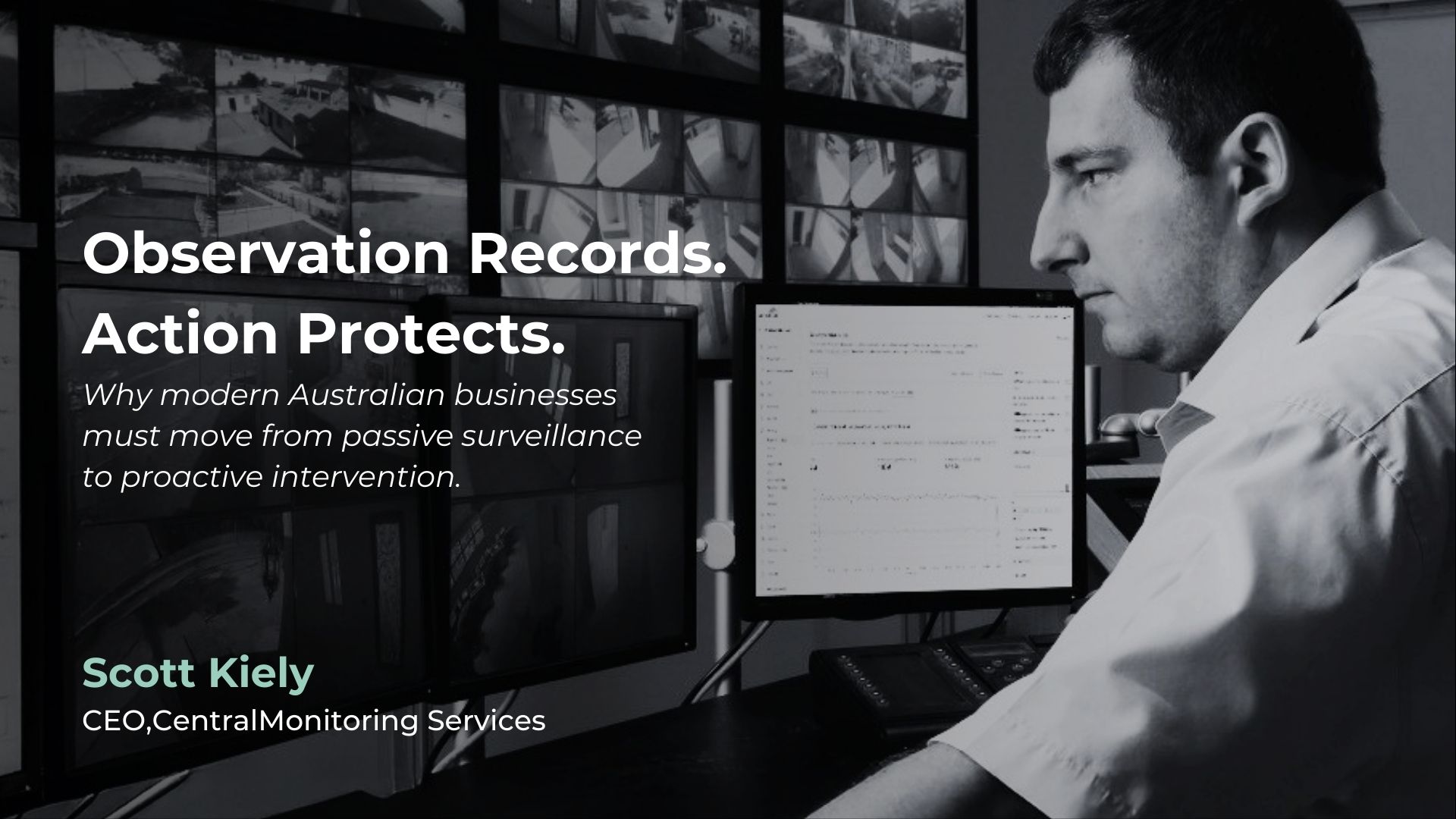


If your current security system tells you what went wrong yesterday, it belongs to yesterday.
Modern enterprises require systems that intervene today.
In an environment defined by volatility, uncertainty, and accelerated risk, action is the only acceptable standard.
Observation records history.
Action protects the future.
The organisations that understand this will not simply reduce loss. They will build resilience, protect reputation, and create stability in environments where others experience disruption.
Security that acts is not an upgrade.
It is the new baseline.
Let’s remove the comfort blanket.
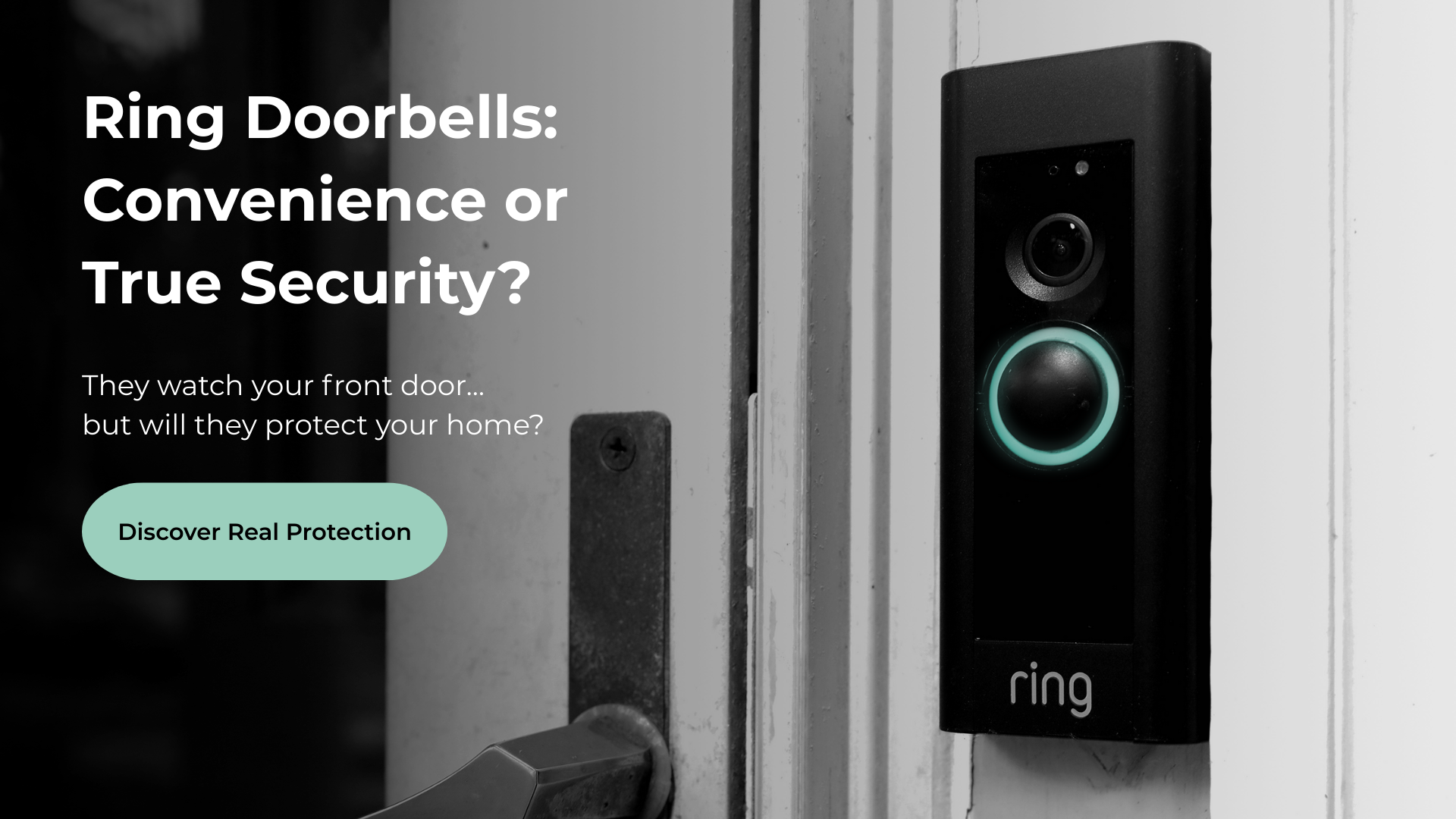
For decades, businesses have convinced themselves that installing cameras equals being secure. It doesn’t. Cameras record. They document. They create evidence. But evidence is a post-event asset. It explains what happened. It rarely changes what is happening.
And in today’s operating environment, that delay is unacceptable.
Across Australia, businesses are facing a different level of pressure: tighter margins, higher compliance demands, labour shortages, hybrid work environments, and increasingly organised opportunistic crime. In that environment, reactive systems are not just inefficient—they are strategically negligent.
At Central Monitoring Services, we believe security must evolve from passive observation to decisive intervention. That is where Video Intelligence that Acts becomes transformative

1.) Observation Is Documentation. Action Is Protection.
Traditional surveillance systems were built for recording. Footage is stored. Alerts are triggered. Someone reviews the material after an incident has occurred. Insurance claims are processed. Internal reports are written. Meetings are scheduled. Damage control begins.
But the damage has already occurred.
A smashed storefront is still smashed.
Stolen inventory is still gone.
Operations are still disrupted.
Observation without intervention is simply a digital archive of failure.
Modern business leaders do not need archives. They need prevention.
Video Intelligence that Acts replaces passive documentation with real-time intervention. Artificial intelligence continuously analyses live feeds for anomalies—unusual movement, perimeter breaches, loitering, after-hours access. But instead of simply flagging and filing, the system escalates immediately to trained operators who assess, verify, and act.
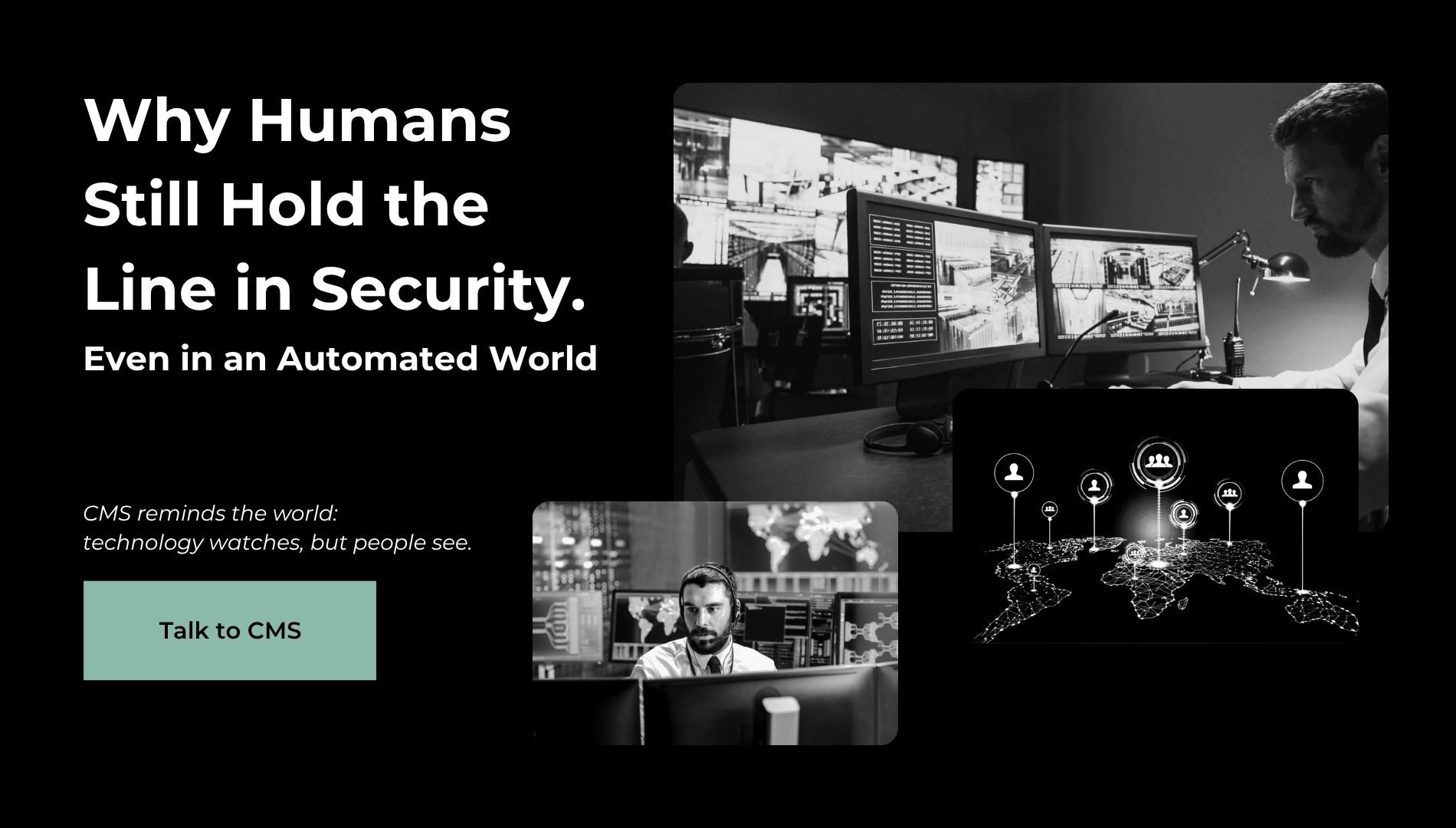
Technology detects.
Humans decide.
Action happens in the moment.
That distinction changes everything.

2. The Fusion of Machine Precision and Human Judgment
There is a growing misconception in the market that AI alone is sufficient. It is not.
Algorithms are extraordinary at identifying patterns, detecting motion, recognising deviations from baseline activity. They operate without fatigue. They scale effortlessly. They reduce noise.
But algorithms do not understand business nuance.
A vehicle entering a warehouse at 3:00 a.m. may be suspicious. It may also be an authorised logistics contractor operating outside standard hours. AI identifies irregularity. A trained CMS operator evaluates context. The correct decision follows.
This fusion—machine speed combined with human discernment—is what transforms surveillance into operational protection.
Businesses do not suffer from a lack of data. They suffer from a lack of decisive, informed action. Video Intelligence that Acts solves that gap.

3. The Hidden Financial Drag of Reactive Security
Executives often calculate security cost purely in line-item expenses. Equipment. Monitoring fees. Guard contracts. Maintenance.
What is rarely calculated is the operational drag created by reactive systems.
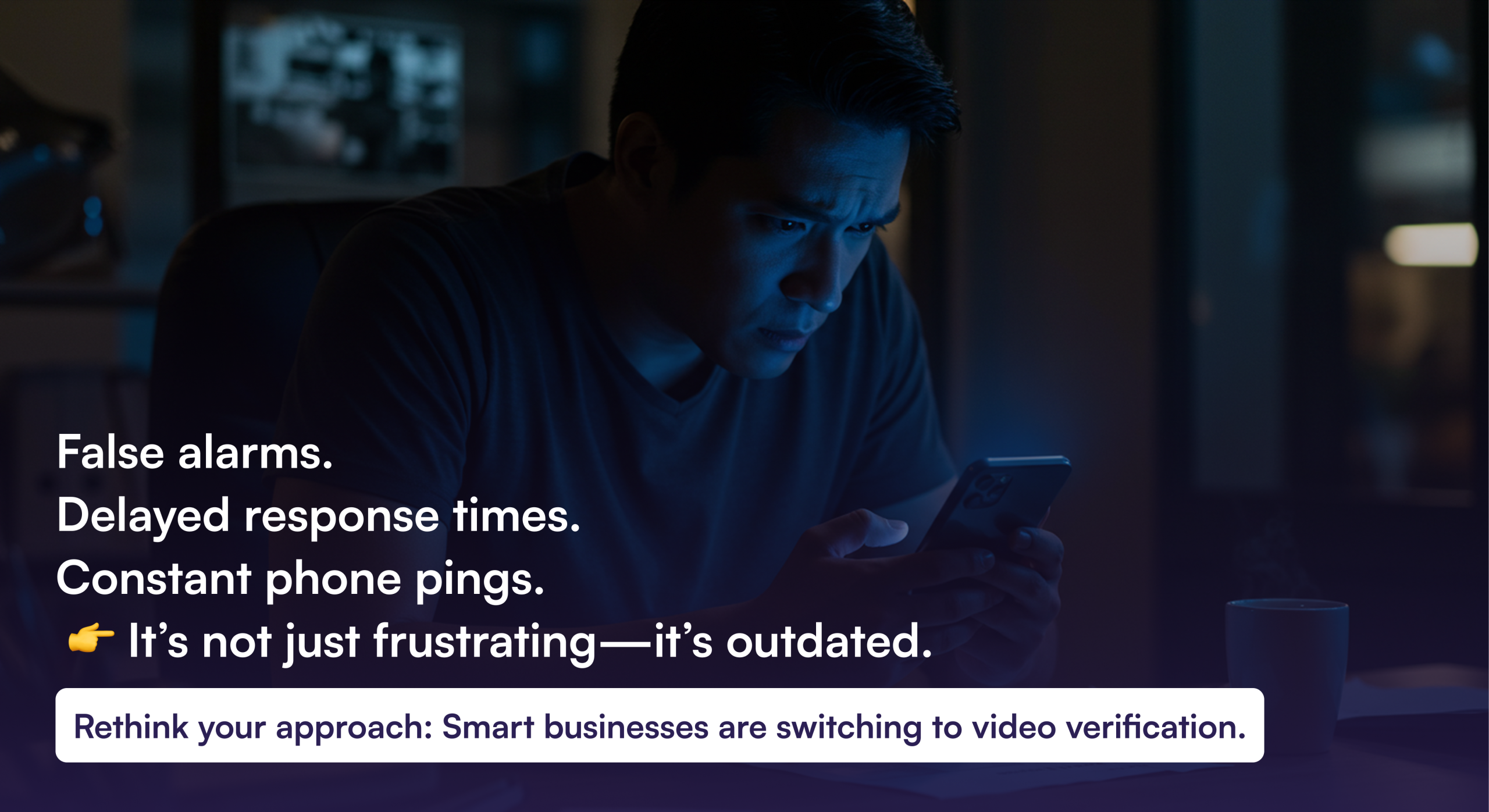
False alarms are a perfect example. On paper, they appear minor. In reality, they erode efficiency. When alerts are frequent and inaccurate, internal teams begin to deprioritise them. Police response times slow due to repeated non-critical callouts. Staff become desensitised. Urgency declines.
Over time, the system loses credibility.
That loss of confidence has a financial impact. Response delays increase exposure. Real incidents receive slower escalation. Productivity suffers.
Video Intelligence that Acts dramatically reduces false alarm escalation through visual verification before action. Every response is informed. Every escalation is intentional. Urgency is preserved for moments that genuinely matter.
This is not just technological refinement. It is behavioural correction at scale.

4. Psychological Deterrence: Presence Changes Behaviour
There is a powerful behavioural shift that occurs when offenders realise they are being monitored live rather than recorded passively.
Traditional CCTV systems create an assumption: no one is watching in real time.
Proactive video monitoring destroys that assumption.
When trained operators issue live audio warnings during suspicious activity, the majority of offenders disengage immediately. The introduction of human presence introduces uncertainty, accountability, and perceived consequence.
This is not theoretical. It is repeatedly observed across retail, logistics, commercial property, and industrial environments throughout Australia.
Real-time intervention reduces escalation. It prevents property damage before it occurs. It protects employees from being placed in confrontational situations. It interrupts intent before it becomes loss.
That psychological leverage is one of the most underappreciated strategic advantages of proactive monitoring.

5. Security as an Executive Decision, Not an Operational Afterthought
Security is often delegated downward. Facilities teams manage it. IT departments integrate it. Procurement negotiates it.
But the consequences of poor security land squarely at executive level.
Brand reputation damage.
Customer confidence erosion.
Operational shutdowns.
Legal exposure.
Security strategy must sit alongside financial strategy, operational strategy, and brand strategy.
Video Intelligence that Acts reframes security from being a cost centre to being an operational resilience engine.
When incidents are prevented rather than recorded, businesses benefit from:
- Reduced shrinkage and theft
- Fewer disruptions to trading hours
- Lower insurance pressure
- Stronger compliance posture
- Improved employee confidence
- Enhanced stakeholder trust
This is not abstract value. It is measurable impact.
Forward-thinking organisations are no longer asking what security costs. They are asking what vulnerability costs.

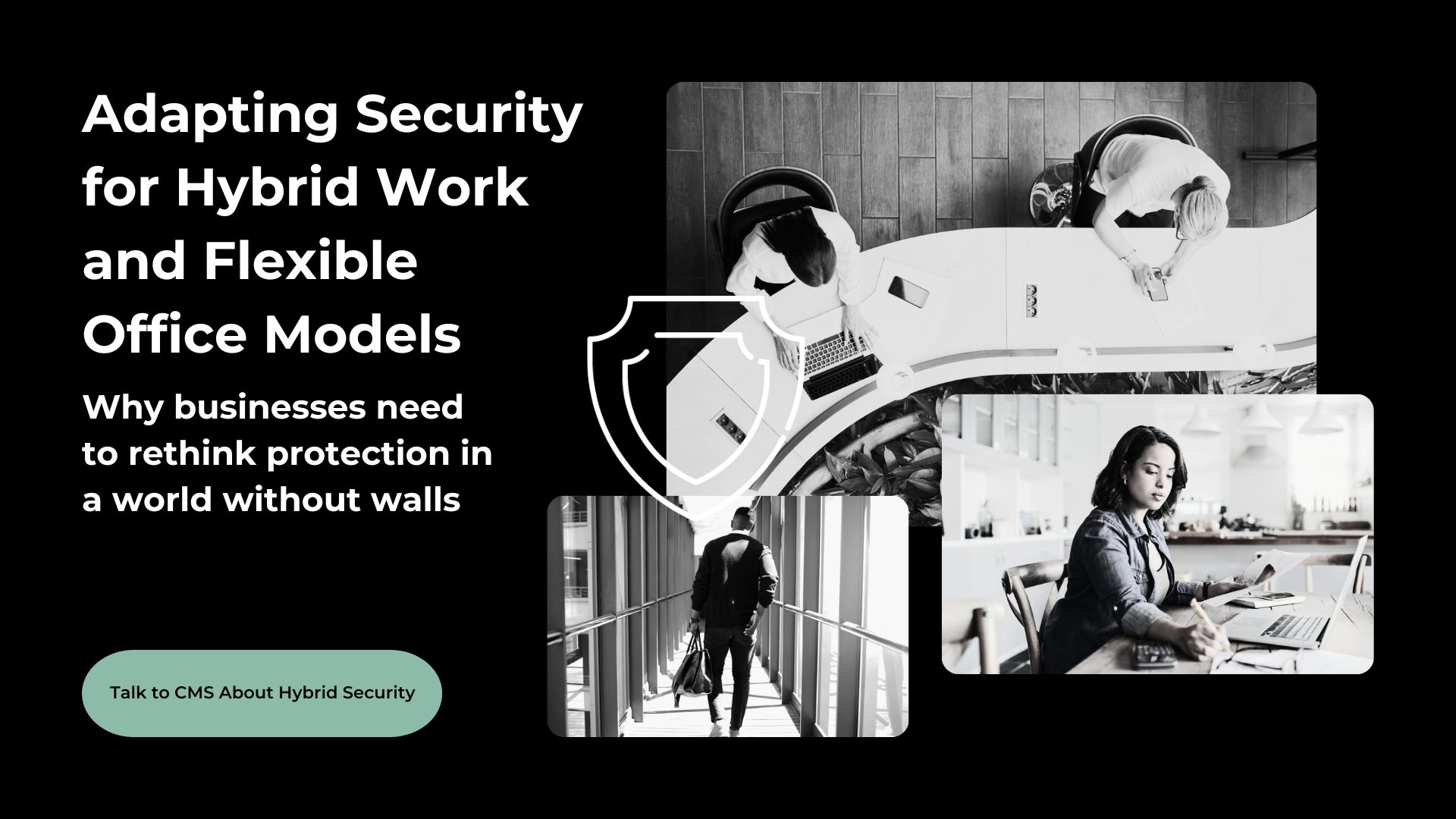
6. Hybrid Work and Distributed Risk
The evolution of hybrid work models has significantly altered risk profiles across Australian businesses.
Offices operate with fluctuating occupancy. Warehouses function with skeleton crews after hours. Remote assets remain unattended for extended periods.
In such an environment, static security models are insufficient.
Video Intelligence that Acts provides scalable oversight across distributed sites without proportional increases in on-site staffing. It ensures that even when physical presence is reduced, active protection remains constant.
This is particularly critical in logistics corridors, retail precincts, and industrial estates where after-hours incidents are more likely to occur.
Technology extends visibility. Human operators extend accountability.
Together, they maintain continuity.
7. Moving Beyond Cameras: A Philosophy of Prevention
It is tempting to describe proactive video monitoring as a technological upgrade. It is more than that.
It is a philosophical shift from “record and react” to “detect and prevent.”
Reactive security accepts loss as inevitable and focuses on documentation. Proactive security challenges inevitability and focuses on interruption.
The inherent drama here is simple:
Businesses do not collapse because of one catastrophic incident.
They weaken through repeated preventable losses.
Minor thefts.
Equipment vandalism.
After-hours trespassing.
Inventory shrinkage.
Each incident chips away at margin, morale, and momentum.
Video Intelligence that Acts stops the erosion early. It protects the foundation quietly and consistently.
8. A New Standard for Australian Business Protection
The security industry is at an inflection point. Observation-based systems are becoming obsolete. The market is shifting toward intelligence-led, intervention-driven models.
The question for Australian business leaders is not whether this evolution will occur. It is whether they will lead it.
At Central Monitoring Services, our focus is not on hardware. It is on outcomes. Our commitment is not to footage. It is to prevention.
Video Intelligence that Acts is not a feature set. It is a strategic framework built on three principles:
- Continuous intelligent detection
- Immediate human validation
- Decisive real-time intervention
When those three operate together, security transforms from passive witness to active defender.
9.Final Reflection
If your current security system tells you what went wrong yesterday, it belongs to yesterday.
Modern enterprises require systems that intervene today.
In an environment defined by volatility, uncertainty, and accelerated risk, action is the only acceptable standard.
Observation records history.
Action protects the future.
The organisations that understand this will not simply reduce loss. They will build resilience, protect reputation, and create stability in environments where others experience disruption.
Security that acts is not an upgrade.
It is the new baseline.